Jan. 26, 2021
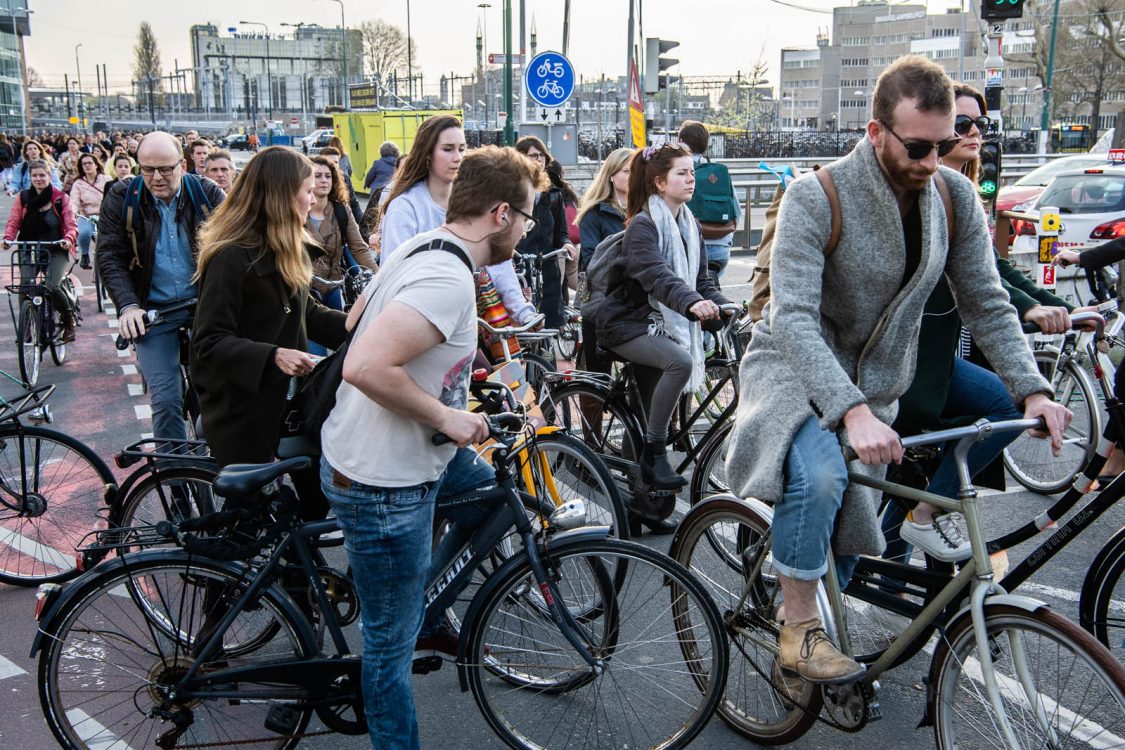
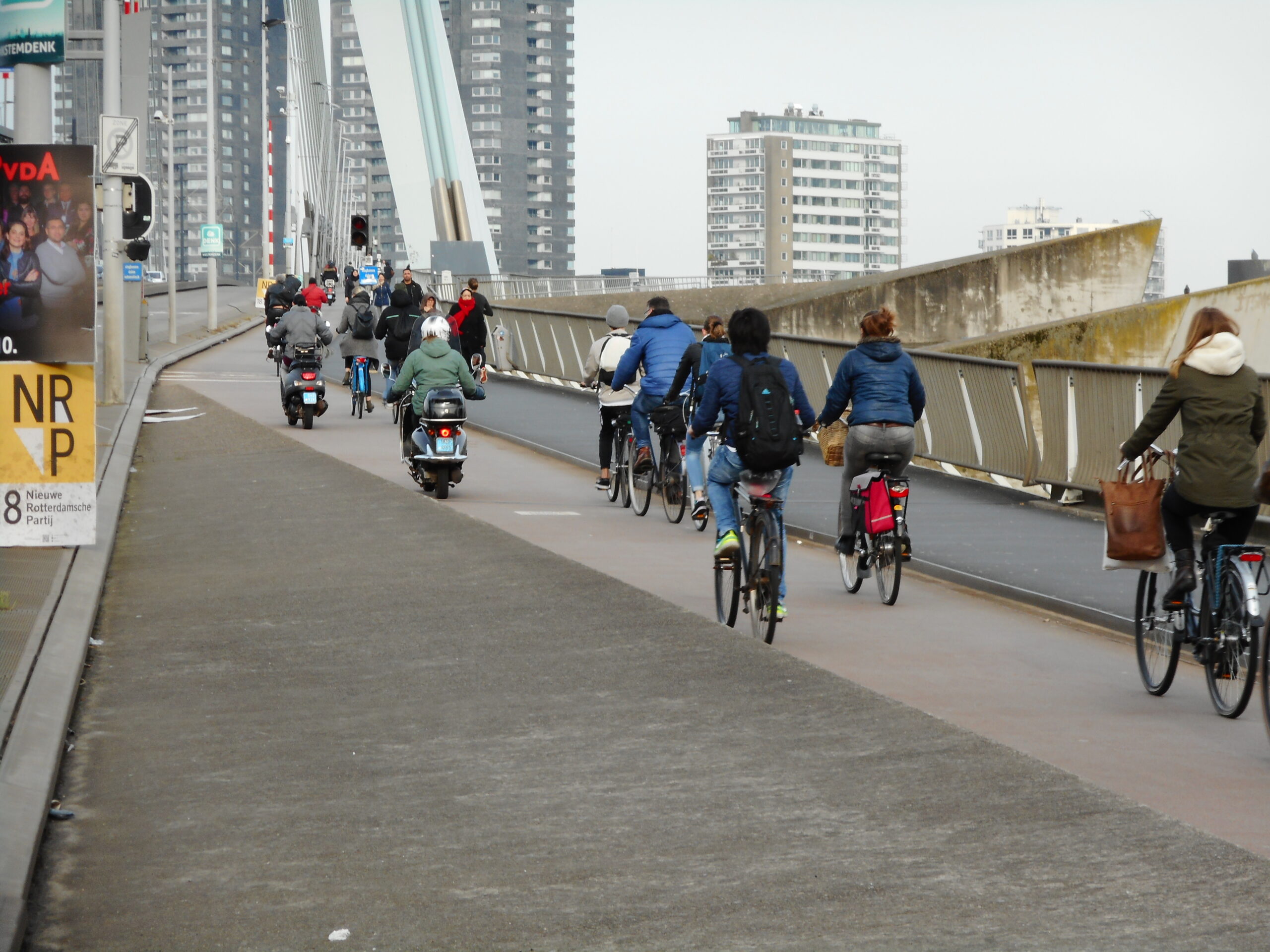
Over the past decade, the government has promoted cycling substantially. Cycling has a positive effect on air quality, reduces congestion, causes fewer space problems in inner cities, enhances livability and it contributes to the economy. But cyclists are vulnerable. The increased congestion on bike lanes combined with the diversity of vehicles at different speeds causes unsafe traffic situations and dangerous bike lanes. That is why the government is going to work on making the bicycle infrastructure safer.
In December 2020, the national government provided 165 million euros to provinces and 188 municipalities to make unsafe traffic situations, including bike lanes, safer. A total of half a billion euros is available for this purpose over the next ten years. The State does make it a condition that municipalities and provinces invest the same amount. Nevertheless, this stimulus will help municipalities and provinces to get to work on, among other things, tackling bike paths that are too narrow. Each municipality has its own, local approach. To make the infrastructure safer, Rotterdam, for example, has developed an innovative calculation model to map traffic safety on the basis of data. This calculation model predicts the likelihood of unsafe situations based on characteristics of accidents, the road, the environment and traffic. The municipality combines this factual data with input from residents about where they perceive a traffic situation as unsafe. Based on this overall picture, the municipality addresses the infrastructure.
Multisensors is noticing that municipalities are getting on board with bike lane safety. Municipalities regularly ask us to generate accurate bicycle data at high-traffic locations. This gives them insight into bicycle flows and they know what is actually happening at those locations.