May 5, 2021
We live in strange times. The bicycle industry sold a whopping 1.1 million new bikes in 2020, of which 547,000 were e-bikes. That's a 30% increase over 2019. Many pedelecs were also sold. Still, bike lanes in inner cities are remarkably quiet compared to the years before Covid-19. When the weather is nice, bike lanes outside cities are actually much busier. Of course, that's because many people work from home, far from all schools and universities are fully open again, and inner cities are still largely closed. It seems like the problems around the busiest bike intersections have been solved, but the opposite is true.
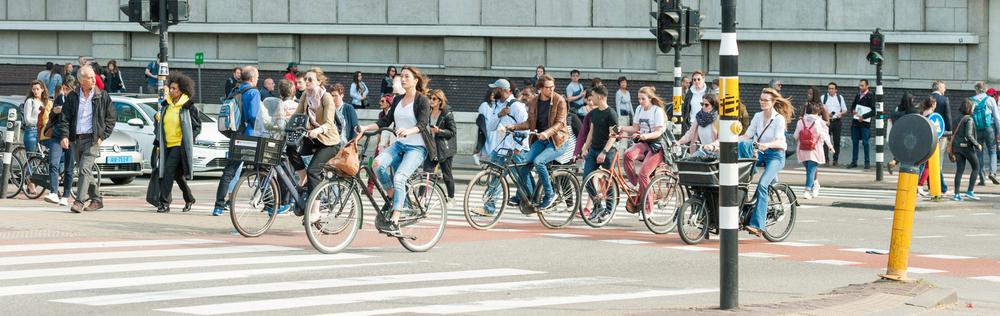
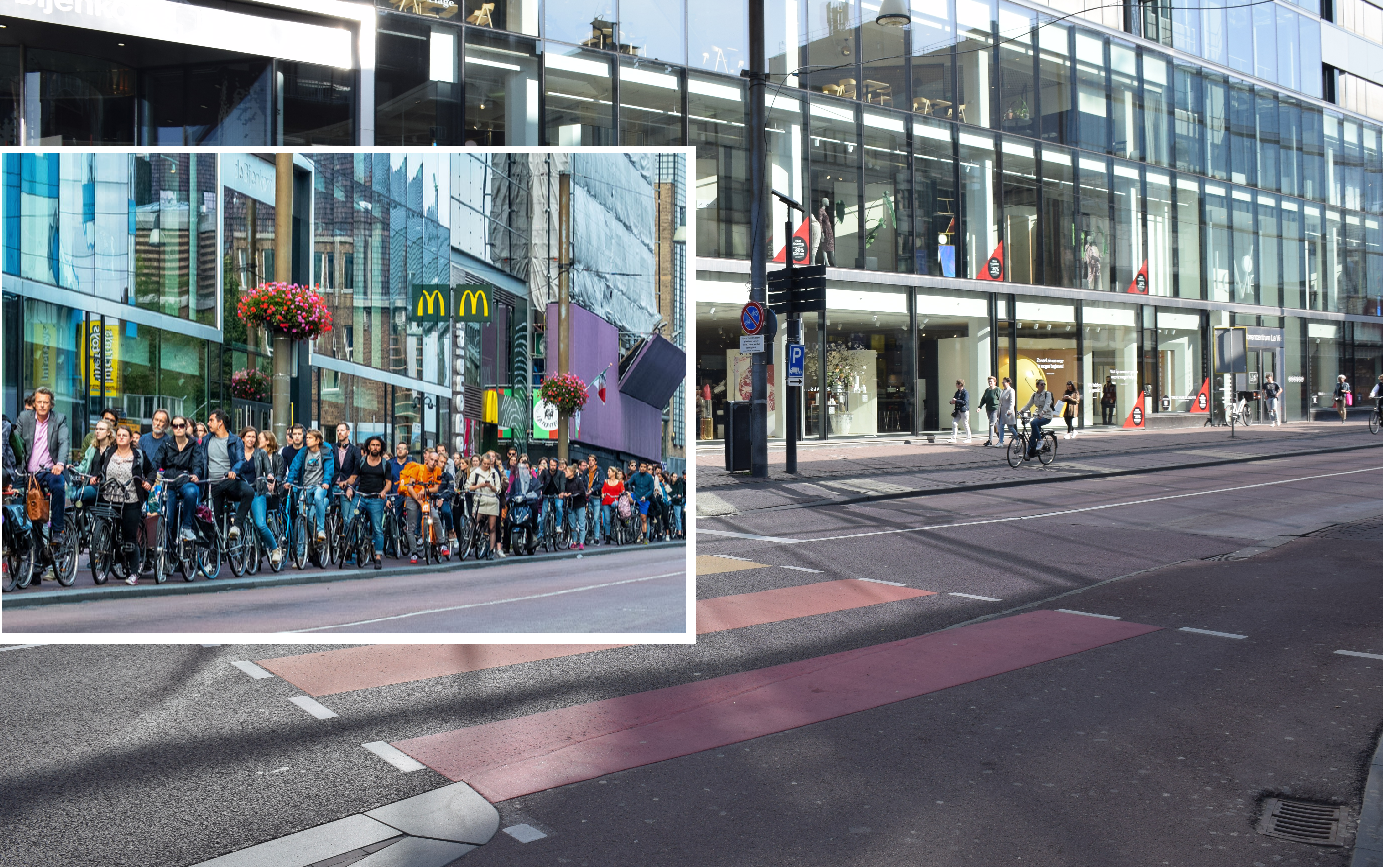
How is that so immediate, when Covid-19 has finally left us and everything is open again? Will everyone go back to the office full-time or will many people continue to work from home? Will people still take the car again? Will many classes continue to be taught online? Ideally, people would continue to use all those fancy new bikes and leave the car behind. It is possible, with e-bikes and pedelecs people can easily cover longer distances and take the bike more often for commuting. But after the quick miles between where they live and the city where they work or study, they all end up in inner cities. That means bike lanes where it was already busy before Covid-19, such as the intersection near Utrecht's Central Station, the busiest bike intersection in the world, will become much busier. Only how busy will it be? And what happens when all those fast e-bikes and pedelecs end up among the regular bikes, children's bikes and cargo bikes as they enter the city center? There could be quite dangerous situations there. Still, local governments would like people to keep taking their bikes and leave their cars after Covid-19. The solution is: work on bike lanes now.
It is important to plan and solve the expected congestion on bike lanes now, just when it is quiet. To do this, one needs reliable data. NDW, the National Data Portal Road Traffic, is eager for data on bicycle paths, but wants reliable real-time data. Many bicycle paths lack data on the numbers of cyclists, at what speeds they are traveling and at what times. Precisely that accuracy is needed because from the speeds the ratio between regular bicycles and fast bicycles and other vehicles on the bike path can be read.
Once that data is known - and Multisensors' Signum provides that data - cities can responsibly determine which bike lanes and bike intersections they will adjust for expected crowding after Covid-19.